
Best Ingredients for Skin Barrier Repair: The Science-Backed Guide (2026)

Your skin barrier is having a moment - and for good reason. The skin barrier, also called the stratum corneum, is the outermost layer of your skin: a microscopic shield of lipids, proteins, and cells that keeps moisture in and irritants out. When it's functioning well, skin looks calm, plump, and resilient. When it's damaged, you'll know - and so will everyone who asks why you look tired. The best ingredients for skin barrier repair work by replenishing what the barrier has lost: lipids, hydration, anti-inflammatory compounds, and signalling molecules that tell skin to rebuild. This guide breaks down exactly which ingredients deliver on that promise, why the science supports them, and how to use them effectively.
Signs Your Skin Barrier Is Damaged
A compromised barrier rarely announces itself with a single obvious symptom. More often, it's a constellation of signals that something is off. If you recognise more than two or three of these, your barrier likely needs attention:
- Persistent redness or blotchiness, especially in patches that weren't there before
- Tightness or a "pulled" sensation after cleansing, even with a gentle product
- Flaking or rough texture that moisturiser doesn't fully resolve
- Stinging or burning when applying serums or moisturisers you've used without issue before
- Increased breakouts or congestion - a disrupted barrier lets bacteria and irritants penetrate more easily
- Dehydration lines (fine lines that appear when skin is pressed) even in younger skin
- Increased sensitivity to temperature, wind, or sunscreen that feels new or escalating
These signs typically worsen if you continue using active ingredients, fragranced products, or physical exfoliants. The first step toward repair is removing what's aggravating the barrier and replacing it with ingredients that support rebuilding. That starts with your cleanser.
When the skin barrier is compromised, your cleanser becomes your most important product. You need something that removes impurities without stripping the skin's natural lipid layer. Cosmedix Benefit Clean is formulated using mild surfactants that cleanse without stripping essential lipids, while including soothing and barrier-supporting ingredients.

The 8 Best Ingredients for Skin Barrier Repair
Not all barrier-repairing ingredients work the same way. Some rebuild the physical structure of the barrier; others reduce the inflammation that prevents repair; others pull in and retain water. The most effective barrier repair skincare uses a combination of these mechanisms. Here are the eight ingredients with the strongest evidence behind them.
1. Ceramides - The Barrier's Building Blocks
Ceramides are lipid molecules that make up roughly 50% of the skin's outer layer. Think of the stratum corneum as a brick wall: skin cells are the bricks and ceramides - alongside cholesterol and fatty acids - are the mortar that holds everything together. When ceramide levels drop (due to ageing, over-cleansing, or environmental damage), gaps form in that mortar, allowing transepidermal water loss (TEWL) to increase and irritants to penetrate more easily.
Topical ceramides for skin barrier repair work by supplementing the skin's natural supply, helping to restore the lamellar lipid structure that keeps moisture locked in. Look for ceramides in moisturisers and serums. Ceramide NP, AP, and EOP are the forms most commonly found in effective skincare formulations.
Best for: everyone, but especially those with dry skin, eczema-prone skin, or skin that has been damaged by over-exfoliation.
Product form: moisturiser, barrier cream, or serum-in-oil.
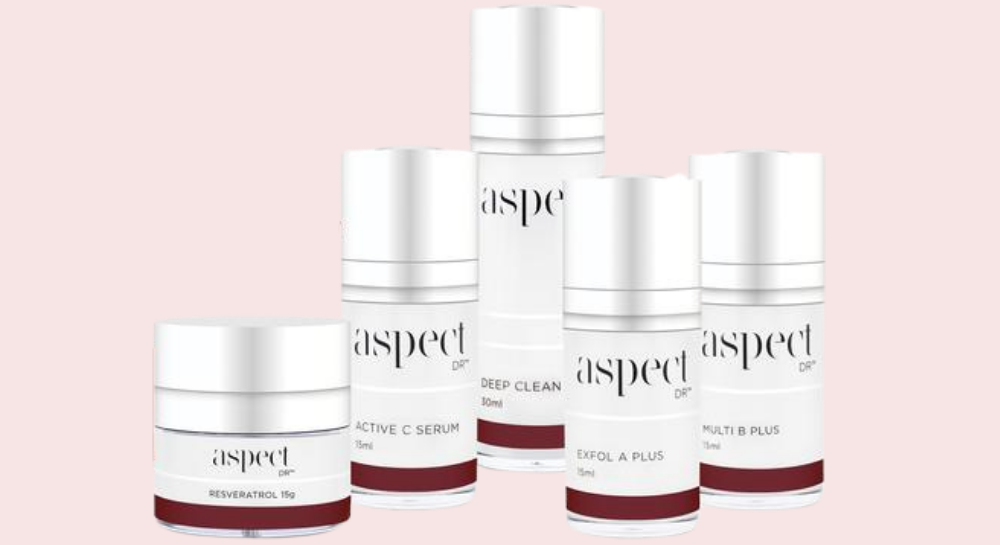
The Aspect Dr Penta-Hydration Advanced Moisture Hyaluronic Serum combines sphingolipids and phospholipids - complex lipids that act as the mortar between skin cell bricks, directly replacing lost ceramides and repairing the structural integrity of the barrier. Suitable for all skin types, including eczema-prone and post-procedure skin.

2. Niacinamide (Vitamin B3) - Reduces Inflammation, Strengthens Barrier
Niacinamide is arguably the most versatile ingredient in the skincare canon, and for barrier repair, it earns its place on multiple fronts. First, it stimulates ceramide synthesis in the skin - meaning it helps the skin produce its own barrier lipids. Second, it significantly reduces TEWL at concentrations as low as 2 - 5%. Third, it has meaningful anti-inflammatory properties, calming the redness and reactivity that accompany a damaged barrier.
What makes niacinamide particularly useful for niacinamide skin barrier repair is its tolerability. Unlike most actives, it can be used on sensitised, reactive, or post-procedure skin without risk of irritation. At 5%, it's restorative. At 10%, it also addresses pigmentation and pore appearance - useful once your barrier is stable.
Best for: oily, combination, and post-active-damaged skin. Also excellent for rosacea-prone skin.
Product form: serum or lightweight moisturiser.
3. Hyaluronic Acid - Deep Hydration at Multiple Skin Levels
Hyaluronic acid is a humectant - meaning it draws water toward itself and holds it in the skin. A single molecule can hold up to 1000 times its weight in water, making it one of the most powerful hydrating ingredients available topically.
For hyaluronic acid barrier repair, molecular weight matters. High molecular weight HA sits on the surface of the skin, creating a plumping film and immediate hydration. Low molecular weight HA penetrates deeper, delivering hydration into the dermis. The best products for a damaged skin barrier use a blend of molecular weights to address both immediate comfort and longer-term structural hydration.
Apply hyaluronic acid to damp skin and follow immediately with a moisturiser - this seals in the hydration rather than allowing the HA to draw water from within the skin if the air is dry.
Best for: all skin types, particularly dehydrated or tight skin.
Product form: serum, essence, or toner.
4. Panthenol (Vitamin B5) - Soothes and Accelerates Healing
Panthenol (pro-vitamin B5) is converted to pantothenic acid in the skin, where it plays a role in cellular metabolism and tissue repair. It functions as both a humectant and an emollient - it attracts and retains moisture while also soothing inflammation. Studies show that panthenol skincare accelerates wound healing, reduces transepidermal water loss, and has a measurable anti-itch effect, making it particularly useful when the skin is irritated, red, or visibly compromised.
Panthenol is one of the few ingredients gentle enough to use on skin immediately post-procedure (laser, chemical peels, microneedling) and is commonly found in post-treatment repair products for exactly this reason.
Best for: sensitive, reactive, post-procedure, and eczema-prone skin.
Product form: moisturiser, barrier cream, or soothing serum.
5. Centella Asiatica (Cica) - Calms Redness, Supports Repair
Centella asiatica - known colloquially as cica or tiger grass - has been used in wound healing for centuries. Its bioactive compounds include madecassoside, asiaticoside, and asiatic acid, all of which have demonstrated anti-inflammatory, antioxidant, and barrier-supportive properties in clinical studies.
For barrier repair, centella asiatica is valuable because it works on multiple levels: it reduces the inflammatory response that prevents the skin from repairing itself, stimulates collagen and fibroblast activity, and helps restore the skin's protective acid mantle. It's the reason cica creams have become a staple in barrier-repair routines - particularly for rosacea-prone and sensitised skin types.
Best for: reactive, redness-prone, eczema-adjacent, or post-inflammatory skin.
Product form: cream, ampoule, or sheet mask for intensive repair.
6. Squalane - Lightweight Emollient That Mimics Skin's Natural Oils
Squalane is a saturated, stable version of squalene - a lipid naturally produced by the skin's sebaceous glands and one of the primary components of human sebum. Topically applied squalane skin barrier support works because the molecule is structurally similar to what the skin already produces, making it well tolerated even by oily or acne-prone skin.
As an emollient, squalane fills in the lipid gaps in the stratum corneum, reinforcing barrier integrity and preventing TEWL without feeling heavy or occlusive. It's non-comedogenic, oxidatively stable (so it doesn't go rancid on skin or in formulas), and has a skin-softening effect that makes it a genuinely versatile ingredient for a damaged skin barrier.
Best for: all skin types, including combination and acne-prone. Particularly good for those who find richer barrier creams too heavy.
Product form: facial oil, serum, or moisturiser ingredient.
7. Peptides - Signal Skin to Repair Damage and Build Resilience
Peptides are short chains of amino acids that act as cellular messengers, signalling skin cells to perform specific functions. Peptides for skin barrier repair work primarily by stimulating collagen and elastin production, accelerating cellular turnover, and reinforcing the structural proteins that give skin its resilience. Signal peptides (like Matrixyl/palmitoyl pentapeptide-4) and carrier peptides (like copper peptides) are particularly relevant for barrier restoration.
Unlike retinol or exfoliating acids, peptides achieve repair without irritation - making them an excellent choice when the barrier is too compromised for actives but still needs treatment-level support. The evidence for topical peptide efficacy has grown significantly in recent years, and in 2026 they are a mainstream rather than niche category.
Best for: mature, thin, sensitised, or post-active-damaged skin that needs repair without aggravation.
Product form: serum or targeted treatment.
Dermaceutic Regen Ceutic combines Matrixyl 3000 with Palmitoyl Tetrapeptide-7 and Palmitoyl Oligopeptidel to simultaneously signal repair, deliver hydration, and soothe inflammation - ideal as a hydrating step in a barrier repair routine.

8. Beta-Glucan - Deep Hydration and Anti-Inflammatory Support
Beta-glucan is a polysaccharide derived most commonly from oats or yeast, and it's one of the best-kept secrets in skincare. Molecularly smaller than hyaluronic acid, it can penetrate more deeply into the skin, delivering sustained hydration while also activating immune-modulating responses that reduce inflammation.
For damaged skin barrier repair, beta-glucan's dual role is where it excels. It functions as a humectant (drawing in moisture), an anti-inflammatory (calming the cytokine activity that prevents repair), and a wound-healing agent (it's used in medical-grade wound care for this reason). You'll often see it in calming essences, post-procedure creams, and fragrance-free moisturisers for reactive skin.
Best for: highly sensitised, eczema-prone, or post-procedure skin.
Product form: serum, essence, or soothing moisturiser.
How to Build a Skin Barrier Repair Routine (Step-by-Step)
A skin barrier repair routine for sensitive skin doesn't need to be complicated - in fact, simplicity is a feature, not a limitation. During active repair, fewer products mean less potential for irritation. Here's how to structure both your morning and evening routines:
Morning Routine
Step 1: Cleanse
Use a fragrance-free moisturiser for reactive skin or a gentle low-pH cleanser that doesn't strip the acid mantle. Look for: creamy or gel textures with ceramides or panthenol. Avoid sulphate-heavy formulas.
Cosmedix Elite Gentle Clean uses a blend of mild, non-stripping surfactants and calming agents designed to cleanse without destroying the skin's natural moisture barrier.
Step 2: Treat (Serum)
This is your best serum for damaged skin barrier moment. Apply a niacinamide or peptide serum to clean, slightly damp skin. Look for: niacinamide 5%, beta-glucan, or a ceramide-infused serum.
Aspect Dr Penta-Hydration focuses on replenishing the skin’s natural lipid barrier and providing intense, multi-level hydration
Step 3: Moisturise
Layer a peptide-rich moisturiser or barrier cream over your serum while skin is still slightly damp. Look for: ceramides, peptides, squalane, or hyaluronic acid (multiple molecular weights).
Dermaceutic Regen Ceutic contains Hydrogenated Lecithin which mimics the skin's natural lipids to strengthen the barrier, and Palmitoyl Tetrapeptide-7 and Palmitoyl Oligopeptide (Matrixyl 3000) to stimulate skin repair and reduce inflammation.
Step 4: Protect (SPF)
A mineral SPF 30 - 50 is non-negotiable. UV damage is one of the leading causes of cumulative barrier deterioration. Look for: zinc oxide-based formulas without alcohol or fragrance.
Airyday Mineral Mousse SPF50+ includes Shea Butter and Tocopheryl Acetate (Vitamin E), which are excellent for nourishing, moisturising, and supporting the healing of a damaged skin barrier.

Evening Routine
Step 1: Cleanse
If you wear SPF or makeup, use a gentle micellar water or cleansing oil first, followed by the same gentle cleanser from your morning routine. Avoid hot water - it disrupts the lipid barrier.
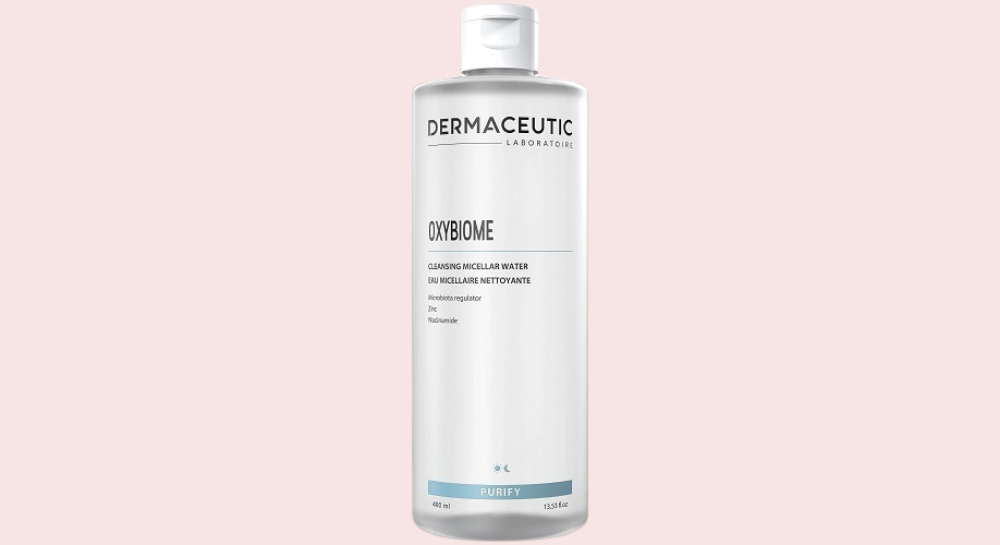
Dermaceutic Oxybiome Cleansing Micellar Water focuses on gentle cleansing, hydration, and barrier support. It avoids common irritants like alcohols and strong fragrances.
Step 2: Treat and Moisturise
Evenings are ideal for centella asiatica or peptide treatments. How to repair skin barrier overnight often comes down to this step: using a reparative cream that can work undisturbed while you sleep. Look for: cica, peptides, panthenol.
Cosmedix Rescue is suitable replenishing for dry, parched, chapped, and post-procedure skin.

What to Avoid When Your Skin Barrier Is Damaged
Learning how to fix a broken skin barrier from over-exfoliating often starts with the uncomfortable truth that your current routine is part of the problem. The most common barrier-damaging culprits include:
- Over-exfoliation: AHAs (glycolic, lactic acid) and BHAs (salicylic acid) are excellent ingredients - at the right time. When your barrier is compromised, they strip the surface before it can repair. Pause all exfoliating acids until the barrier has stabilised.
- High-percentage retinol: Retinol accelerates cell turnover and can trigger significant barrier disruption, particularly in concentrations above 0.3%. Discontinue until the barrier is stable.
- High-dose Vitamin C: L-ascorbic acid formulations above 10% can be highly acidic and irritating on a compromised barrier. Swap for a gentler derivative (ascorbyl glucoside) if you feel you need antioxidant support.
- Fragranced products: Fragrance - synthetic or natural - is one of the most common contact allergens and irritants. A fragrance-free moisturiser for reactive skin is non-negotiable during repair.
- Alcohol-based toners and astringents: Denatured alcohol (alcohol denat.) disrupts the skin's lipid barrier and should be avoided entirely during repair.
- Physical scrubs: Mechanical exfoliation creates micro-tears in already-compromised skin. Set the walnut scrub aside.
- Hot water: Hot showers and hot face washing dissolve the lipid layer of the barrier. Use lukewarm water and pat - never rub - dry.
The best cleanser for a compromised skin barrier is, in most cases, the one doing the least. A simple cream cleanser, a gentle micellar water, or even just lukewarm water in the morning is appropriate during active barrier repair. You can reintroduce actives gradually - one at a time, with weeks between - once the barrier has stabilised and stinging from products has resolved.
If your barrier remains persistently reactive despite a simplified routine, it may be time to consider professional support.
When to Consider Professional Skin Barrier Treatments
Professional skin barrier treatments aren't a last resort - they're a smart, proactive choice. At-home products work on the surface layers of the skin; clinic treatments can work deeper, faster, and with a precision that topical products alone can't always achieve. If you've simplified your routine, added the right ingredients, and still find your skin reactive, tight, or persistently inflamed after four to six weeks, a skin professional can offer meaningful additional support.
Skin Boosters / Hydration Therapy
Injectable skin boosters work by stimulating the skin's natural regenerative processes to address underlying skin health issues. Treatments like Rejuran injections are specifically designed to heal, regenerate, and strengthen the skin at a cellular level, making them ideal for severely dehydrated, thin, or crepey skin that doesn't respond adequately to topical hydration alone.
Microneedling With Barrier-Repair Serums
Microneedling creates controlled micro-channels in the skin, temporarily increasing permeability so that barrier-repair actives - ceramides, peptides, growth factors - can be driven significantly deeper than topical application allows. In 2026, this is one of the most popular in-clinic approaches to barrier restoration, particularly for skin that has been chronically over-exfoliated or is showing signs of structural thinning.
LED Light Therapy (Red Light)
Red LED light therapy operates at wavelengths (typically 630–660nm) that penetrate to the dermis and stimulate fibroblast activity, collagen production, and anti-inflammatory cytokine responses - all without any contact or chemical disruption to the barrier. It's one of the few in-clinic treatments that can be performed even on severely sensitised skin, and it works well as an ongoing maintenance treatment alongside a repair product routine.
Emfusion - Needle-Free Barrier Restoration With DYNAMiQ Technology
Emfusion is a non-invasive treatment that targets the skin barrier directly - not the deeper dermal layers - making it one of the most relevant in-clinic options for compromised or sensitised skin. It works through a four-phase protocol (Refine, Activate, Fuse, Seal) powered by patented DYNAMiQ resonance technology, which uses high-frequency vibration to temporarily increase the skin's permeability and restore the epidermal calcium gradient - a key regulator of barrier formation that degrades with age and environmental stress.
What sets Emfusion apart for barrier repair is that it doesn't rely on mechanical injury, heat, or needles to drive results. Instead, it infuses barrier-repair actives - hyaluronic acid, niacinamide, ceramides, and ectoin - significantly deeper than topical application allows, delivering up to three times greater ingredient absorption according to clinical data. Studies show Emfusion can reduce transepidermal water loss (TEWL) by up to 80% and improve barrier function across a course of three to four sessions. It's particularly well suited for skin that is too reactive for more stimulating treatments, and works well as a repair-phase treatment between other procedures or as a standalone protocol for dehydrated, sensitised, or post-exfoliation skin.
Exosome Therapy
Exosome therapy is at the cutting edge of regenerative skincare. Exosomes are tiny extracellular vesicles that carry growth factors, proteins, and genetic information between cells, essentially "instructing" the skin's own repair mechanisms. Applied topically post-procedure or delivered via skin pen microneedling, exosome-based treatments such as BYRYZN Opuluxe V show strong early results for barrier restoration, particularly in skin that has been damaged by chronic inflammation, UV, or procedures.
Frequently Asked Questions About Skin Barrier Repair
What ingredients repair the skin barrier?
The most effective ingredients for skin barrier repair are ceramides, niacinamide (vitamin B3), hyaluronic acid, panthenol (vitamin B5), centella asiatica, squalane, peptides, and beta-glucan. Each works differently - ceramides rebuild the lipid structure, niacinamide stimulates ceramide synthesis and reduces inflammation, hyaluronic acid restores hydration, and peptides signal the skin to accelerate its own repair. Used in combination, they address all aspects of a compromised barrier.
How long does skin barrier repair take?
Mild barrier damage - caused by temporary over-exfoliation or a reaction to a new product - can begin to resolve within two to four weeks with a simplified, barrier-supportive routine. More significant damage, such as chronic eczema flares or persistent reactivity from long-term use of high-percentage actives, may take six to twelve weeks of consistent gentle care. If symptoms are severe or not improving within four weeks, an appointment should be made with one of our cosmetic doctors.
What does a damaged skin barrier look like?
A damaged skin barrier typically presents as redness (either diffuse or in patches), flaking or rough texture, tightness after cleansing, stinging or burning when applying previously well-tolerated products, and increased breakouts or congestion. The skin may also show dehydration lines - fine lines visible when skin is gently compressed - even in younger people. In more severe cases, the skin may feel raw, weepy, or persistently itchy.
Can you fully repair a damaged skin barrier?
Yes - in most cases, a damaged skin barrier can be fully repaired. Skin is remarkably regenerative: the stratum corneum renews itself approximately every two to four weeks. With the right combination of barrier-supporting ingredients (particularly ceramides, niacinamide, and humectants), removal of aggravating factors (fragrances, actives, over-cleansing), and adequate time, the vast majority of barrier damage resolves completely. Underlying skin conditions like eczema or rosacea may require ongoing management rather than a single repair period.
Is ceramide or niacinamide better for skin barrier repair?
Both ceramides and niacinamide are excellent for barrier repair, and they work best together rather than in competition. Ceramides directly replenish the lipid building blocks that form the physical structure of the barrier. Niacinamide stimulates the skin's own ceramide production, reduces inflammation, and decreases transepidermal water loss. If you could only choose one, ceramides are the more direct structural repair; niacinamide offers broader multi-functional support and is often better tolerated in a wider range of formulations.
Should I see a medical professional for a damaged skin barrier?
You should see a medical professional if your skin barrier symptoms are severe (significant weeping, crusting, or pain), if they have not improved after four to six weeks of a simplified, barrier-supportive routine, or if you suspect an underlying condition such as eczema, contact dermatitis, rosacea, or psoriasis. A medical professional can confirm the diagnosis, rule out infection, and prescribe prescription-strength treatments when appropriate.
A healthy skin barrier is the foundation of every good skincare outcome - it's what allows your other products to work, your skin to stay calm, and your complexion to look its best. The best ingredients for skin barrier repair - ceramides, niacinamide, hyaluronic acid, panthenol, centella asiatica, squalane, peptides, and beta-glucan - are all available in well-formulated, evidence-based products that genuinely deliver. Explore our full range of barrier-repair essentials to find the right combination for your skin's specific needs.